

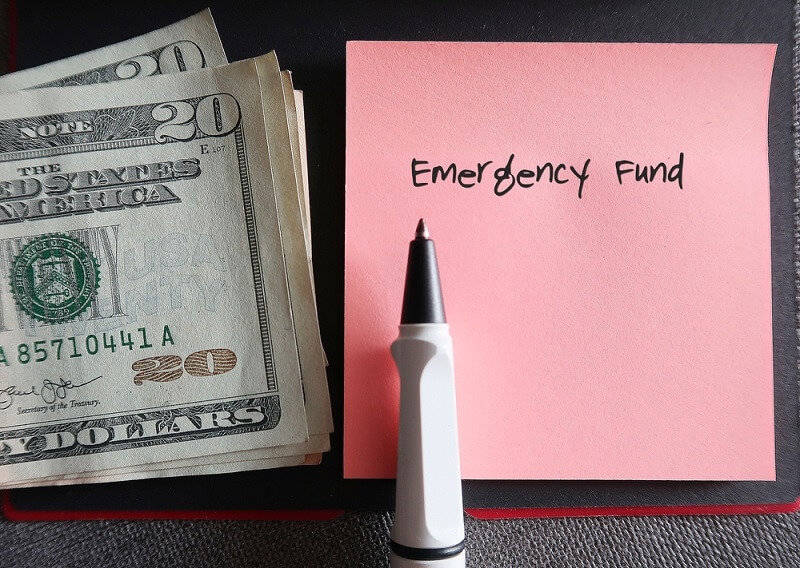
Money stress has a sneaky way of showing up at the worst moments. A flat tire before work. A surprise medical bill. A sudden layoff email you didn’t see coming. That’s where an emergency fund quietly changes everything. This post walks you through how to build one faster, without feeling squeezed or overwhelmed. We’ll talk mindset, real numbers, everyday habits, and a few tricks that make saving feel less like a chore and more like a relief. You’ll see how small choices add up, how to stay calm when progress feels slow, and how to create a cushion that actually lets you breathe.
An emergency fund isn’t exciting. It won’t trend on social media. But it works. This section explains why this single habit can reshape your financial life in the U.S., especially when things don’t go as planned.
Think of your emergency fund like a spare tire. You hope you never need it, but when you do, you’re grateful it’s there. It covers job gaps, urgent repairs, or medical surprises without pushing you into credit card debt. That buffer buys time, and time means better decisions.
Here’s the thing. The money itself matters, but the calm matters more. Knowing you can handle a few months without panic changes how you sleep, work, and even talk to your family. You’re less reactive. Less jumpy. That’s real peace of mind.
Big numbers can freeze people. So let’s shrink the fear before we talk strategy. This part focuses on setting savings goals that feel doable, not dreadful.
You’ve probably heard the three-to-six-month rule. That’s a solid target for many Americans, especially if your income is steady. But starting smaller is fine. One month of expenses is a win. Two months is progress. Momentum beats perfection every time.
A 10,000-dollar goal sounds heavy. Five hundred dollars feels lighter. So break it down. Weekly targets. Monthly check-ins. Treat each milestone like proof you’re moving forward, because you are.
Also read: Reduce Insurance Premiums Saving Tips: Smart Strategies

No two households look the same. Your emergency savings plan should reflect your job, family, and rhythms, not some generic formula.
Keep this money boring and safe. High-yield savings accounts from banks like Ally or Marcus work well. They’re separate from checking, earn some interest, and still let you access cash fast when needed.
Automation helps, but don’t overdo it. Set transfers that feel slightly challenging, not painful. You should notice the savings, but not resent them. Honestly, resentment kills consistency.
Life doesn’t move in straight lines. Hours get cut. Expenses spike. A new baby shows up and flips the budget overnight. Give yourself permission to adjust contributions without guilt.
Out of sight really does help. When your emergency savings plan lives in its own account, you’re less tempted to borrow from it for non-urgent stuff.
You don’t need to give up every joy to save. This section shows how to strengthen your financial safety net without living like a monk.
Take a gentle look at subscriptions, insurance rates, and phone plans. You don’t need to cut everything. Just trim what no longer fits. Even 40 dollars a month adds up faster than you think.
Tax refunds. Work bonuses. Cash gifts. These are perfect for your emergency fund. Save a portion, enjoy the rest. Balance keeps you sane.
You don’t have to slash your lifestyle to build a financial safety net. Simple swaps do the job quietly. Brewing coffee at home a few extra days a week or choosing one less takeout meal can free up cash without making life feel dull.
Don't miss: How to Save Money on Life Insurance with Smart Strategies
Saving faster isn’t always about cutting. Sometimes it’s about earning a little more, even temporarily.
Overtime shifts. Freelance gigs. Selling unused items on Facebook Marketplace. None of these has to be forever. Think of them as sprints, not marathons.
When extra money hits your account, decide ahead of time where it goes. Otherwise, it vanishes. A simple rule like half to savings, half to life keeps things fair.
Even good plans wobble. This part helps you stay steady when enthusiasm dips, which it will.
Check your balance once a month. Celebrate the increase. Then move on. Constant checking can turn motivation into anxiety, and nobody needs that.
Some months you save less. Some months, nothing at all. That’s normal. The goal isn’t flawless behavior. It’s returning to the habit without shame.
This money has a purpose. Knowing when to use it is just as important as knowing how to build it.
Car repairs that stop you from working? Yes. Last-minute vacation deals? No. Ask yourself, is this urgent, necessary, and unexpected? If yes, the fund has your back.
Once you dip into it, shift back into saving mode gently. You’ve already proven you can build it once. Doing it again is easier than you think.
Read more: Bundling Insurance Policies: Do They Really Save You Money?
This might sound backward, but saving for emergencies helps you take smarter risks later.
With a cushion, you can negotiate salary, change jobs, or invest with clarity. Fear shrinks options. Stability expands them.
Your emergency fund supports everything else. Retirement. Homeownership. Even vacations feel lighter when you know surprises won’t knock you flat.
Building an emergency fund isn’t about fear. It’s about confidence. About knowing that when life throws a curveball, you won’t panic or reach for high-interest debt. You’ll pause, breathe, and handle it. Start small. Stay steady. Let the habit grow quietly in the background. One day, without much drama, you’ll realize you feel safer. And that feeling is worth every dollar saved.
There’s no deadline. Aim for steady progress that fits your income. Even slow growth builds real security.
No. This money should stay liquid and safe. Investing adds risk when you need certainty.
It’s a solid start. Many people begin there and build up as their income becomes more stable.
Start with a small emergency fund first. That buffer can prevent new debt when surprises hit.
This content was created by AI